oregonians united against slavery
Visual system design
Campaign graphics
Template and toolkit development
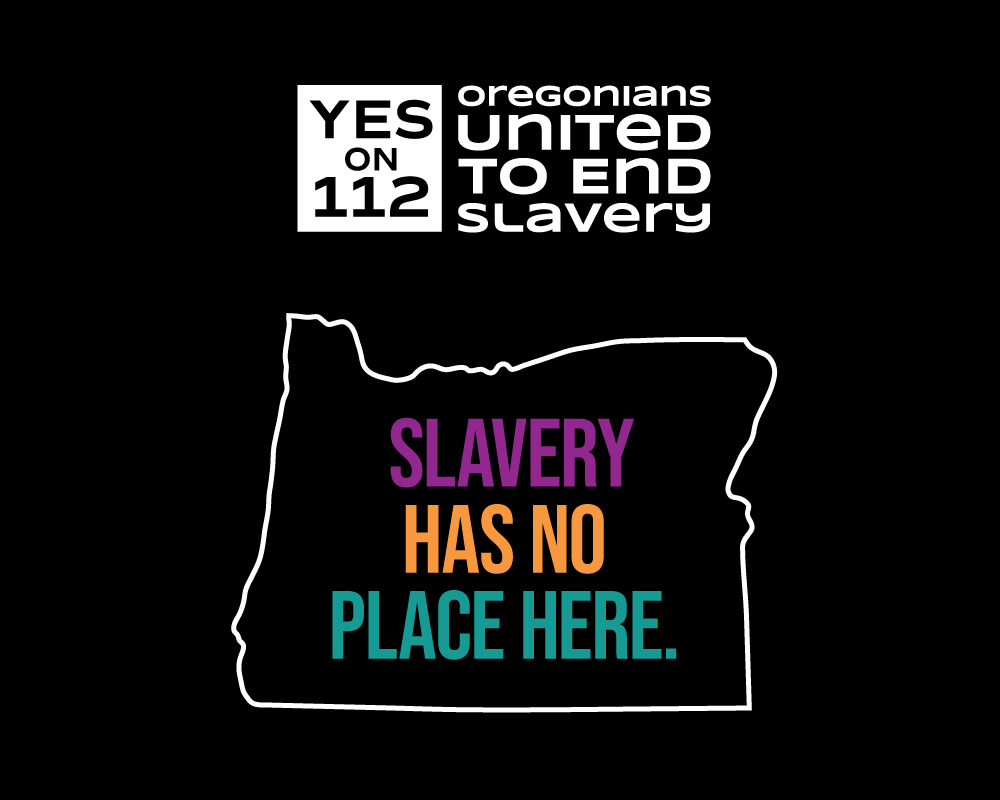
Client: Oregonians United Against Slavery | Insight Strategies NW
OVERVIEW
This project focused on building a flexible visual and messaging system to support a time-bound campaign across social, digital, and print formats. The goal was to create clear, reusable assets that could be deployed quickly by multiple stakeholders with limited design support.
Strategy
I approached the work as a system design problem rather than a series of one-off deliverables. The strategy centered on:
Establishing a clear visual hierarchy that prioritized key messages
Designing a flexible layout structure that could adapt across formats
Creating reusable templates to support ongoing content production
Reducing friction for non-designers responsible for day-to-day updates
The emphasis was on clarity, consistency, and speed of use.
System development
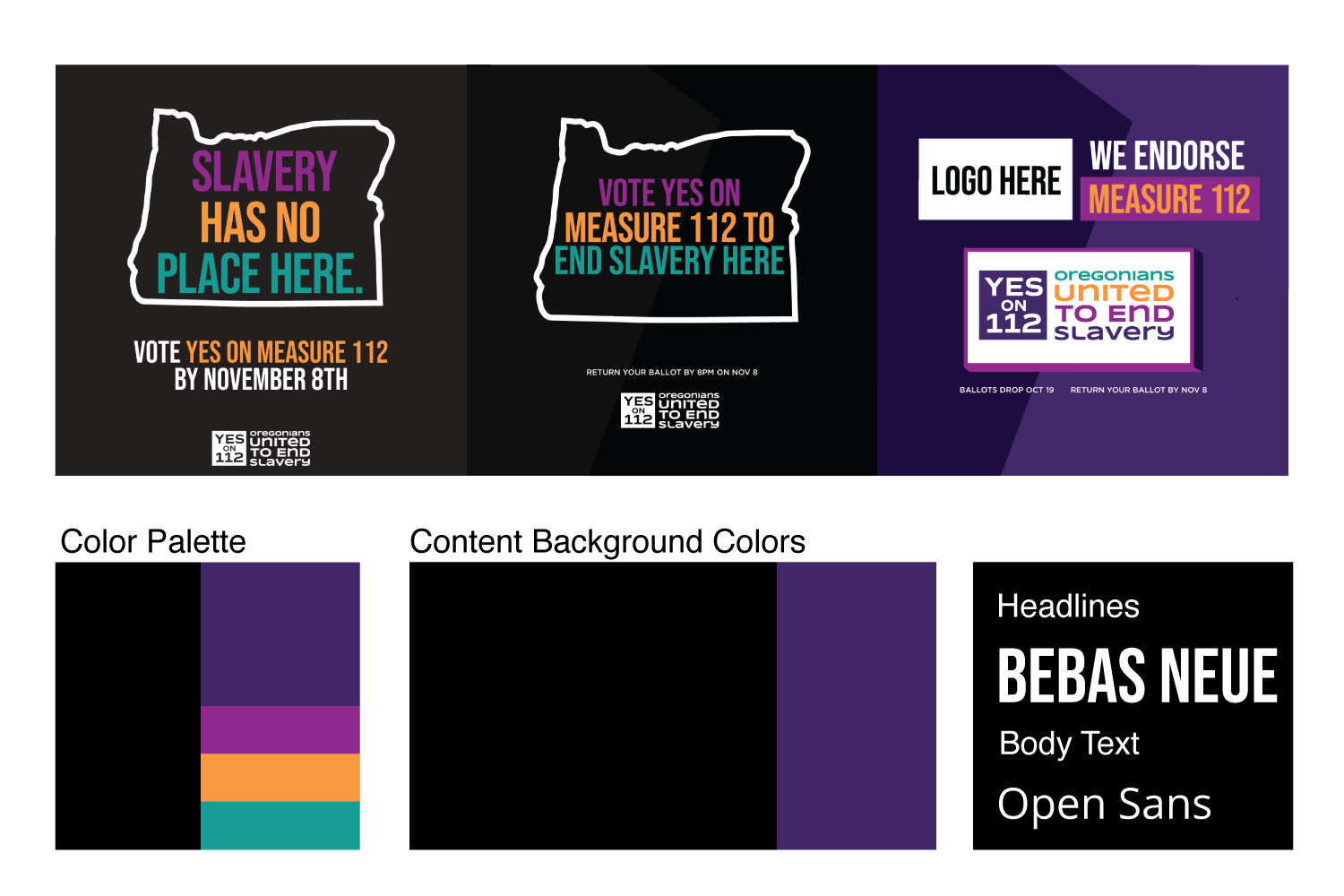
The core system included:
A restrained color palette and typographic structure to maintain consistency
Modular layout rules that scale across social, digital, and print formats
Clear guidance for content placement and message emphasis
These elements were designed to function together as a cohesive framework rather than standalone assets.
Toolkit + execution
To support implementation, I developed a set of reusable templates that allowed stakeholders to produce new materials without redesigning from scratch. The system was applied across:
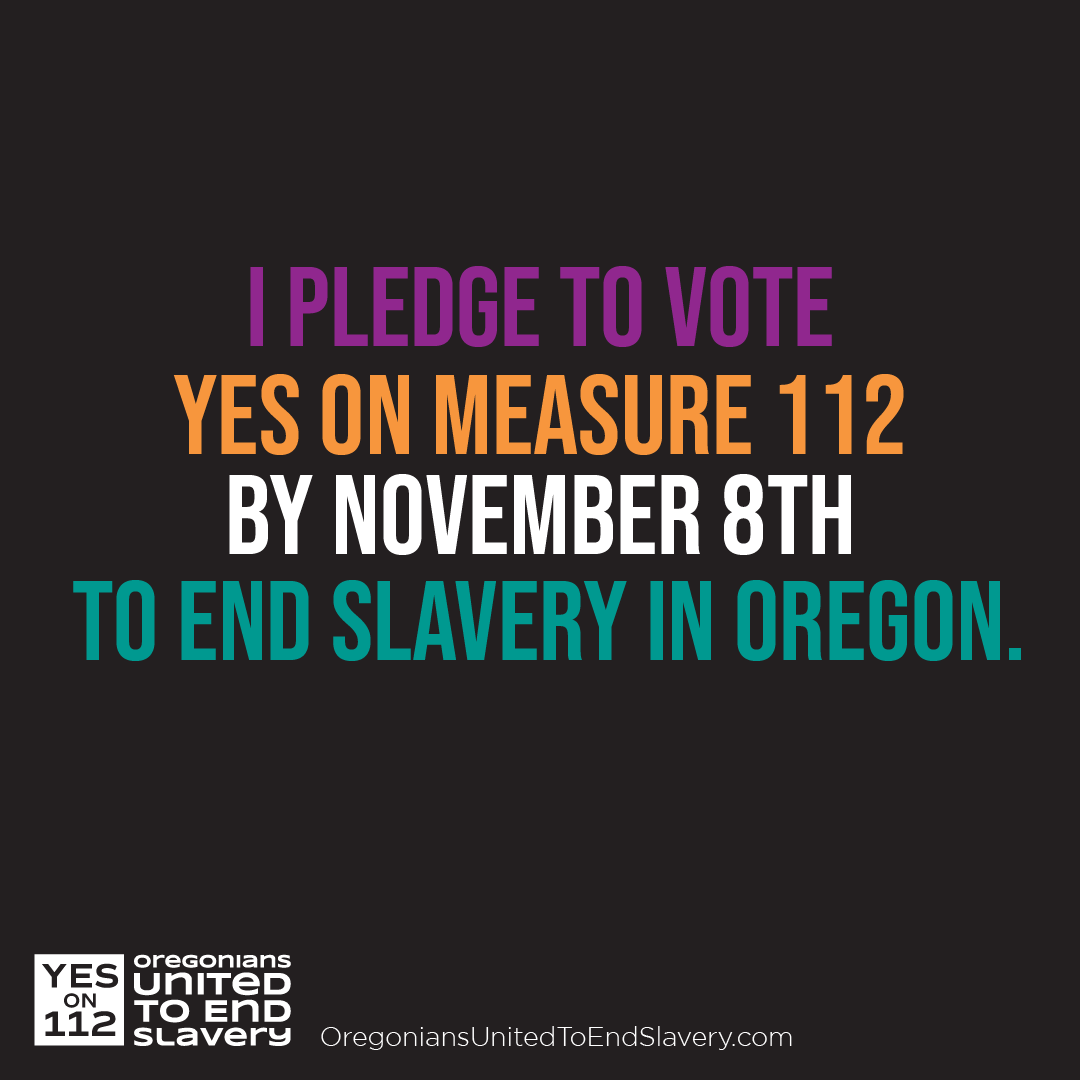
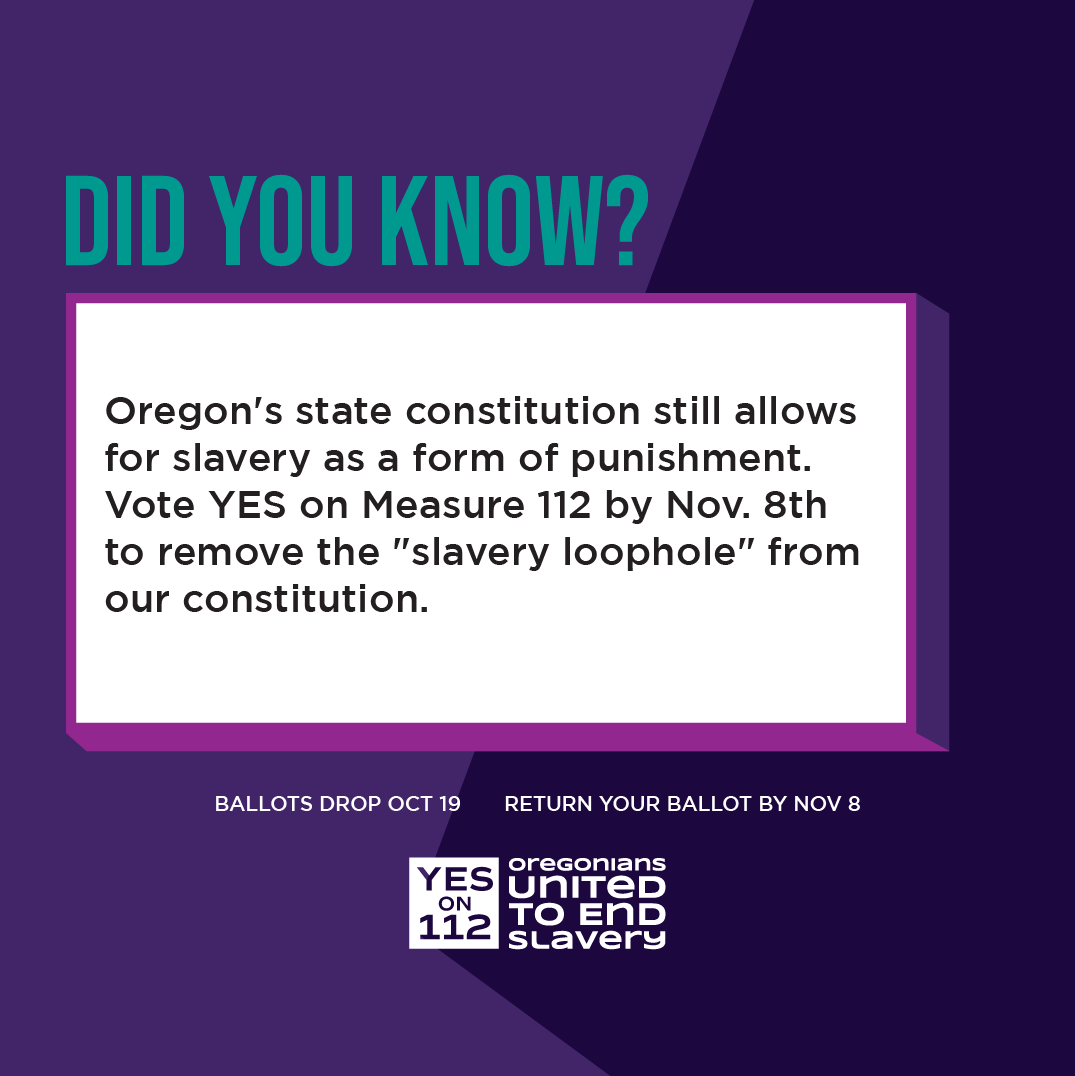
Social media graphics (organic and paid)
Digital cards and shareable assets
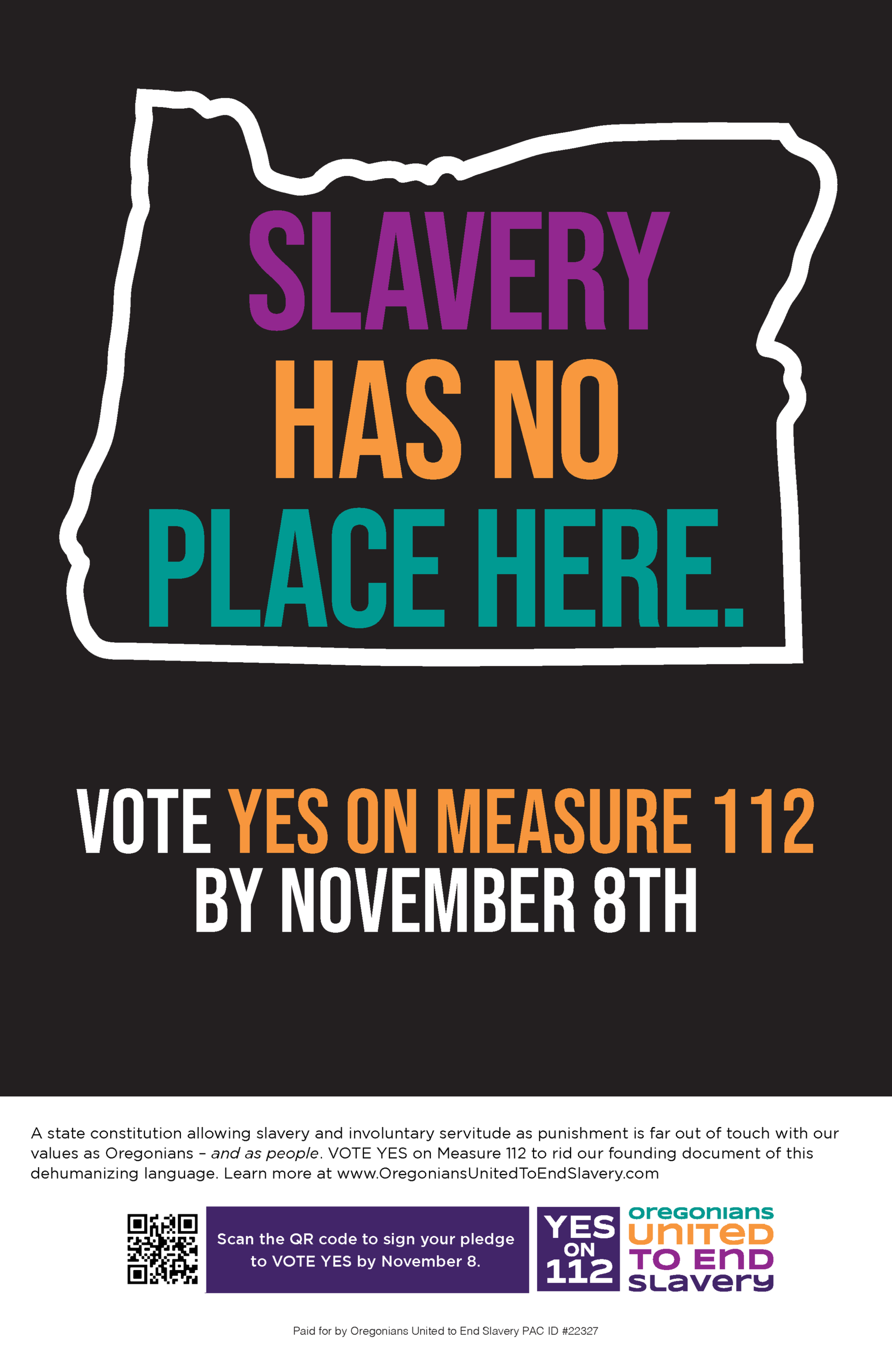
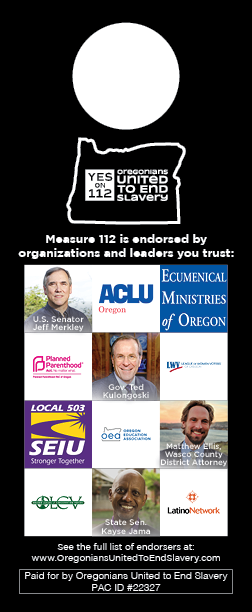
Print materials, including a campaign doorhanger
Each output demonstrates how a single system can adapt to different formats while maintaining visual coherence.
Outcome
The resulting system made it easier to produce consistent materials quickly and reduced reliance on custom design for each new asset. This work reflects an approach focused on building communication infrastructure that supports scale, adaptability, and real-world constraints.